LV/
Velvetteskin
LOOK! Galerija
5. – 28. marts, 2026
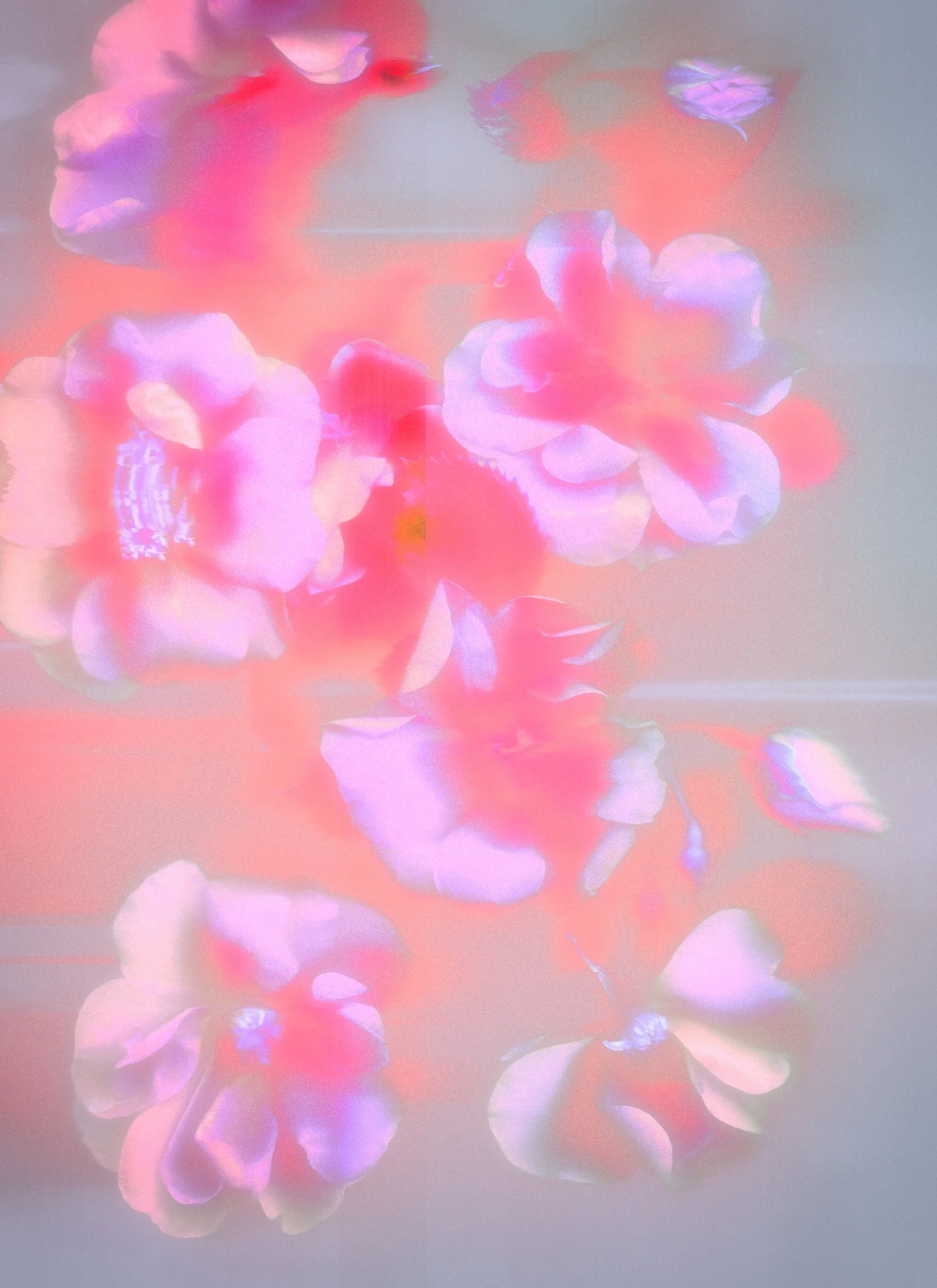
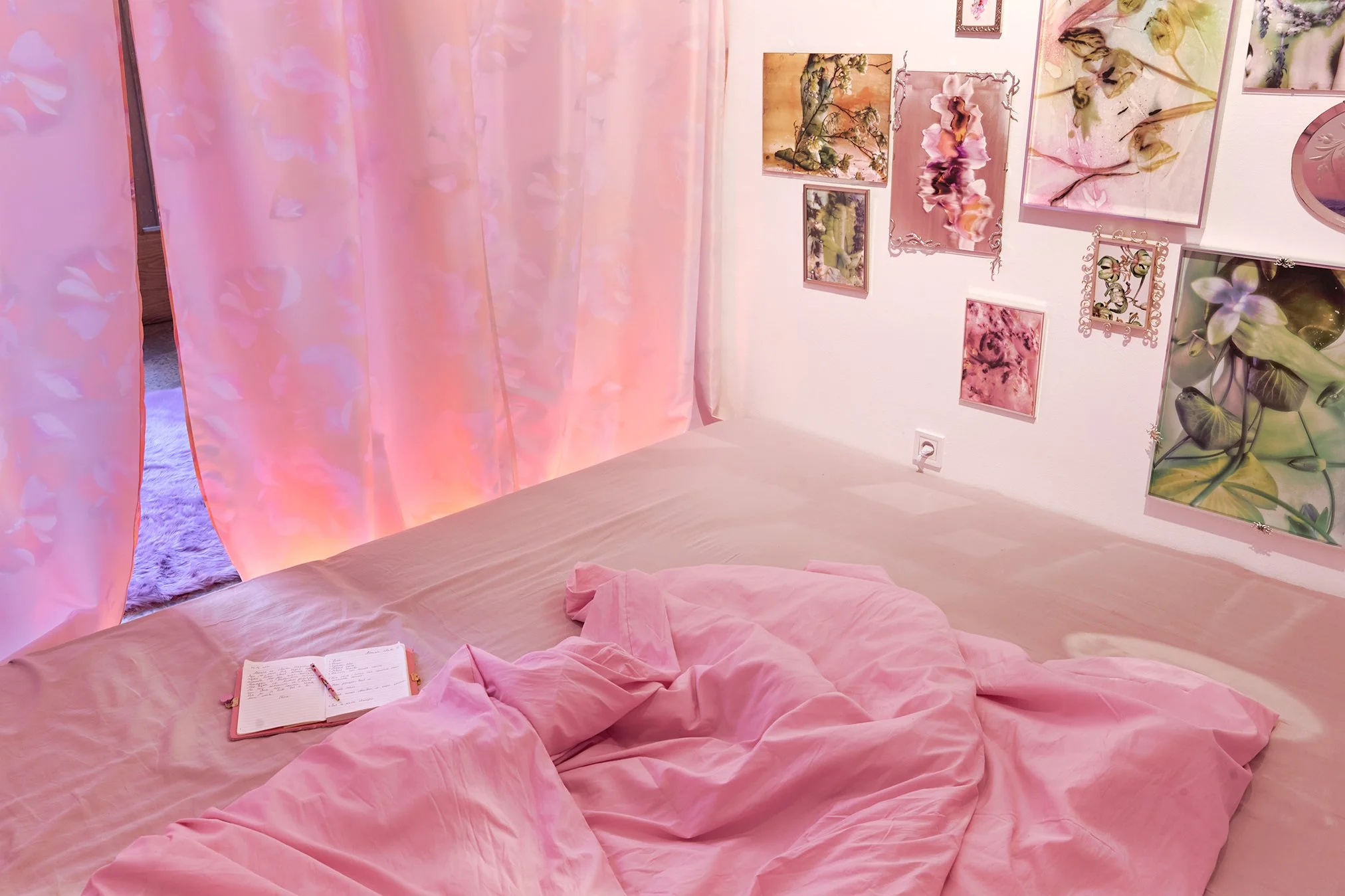
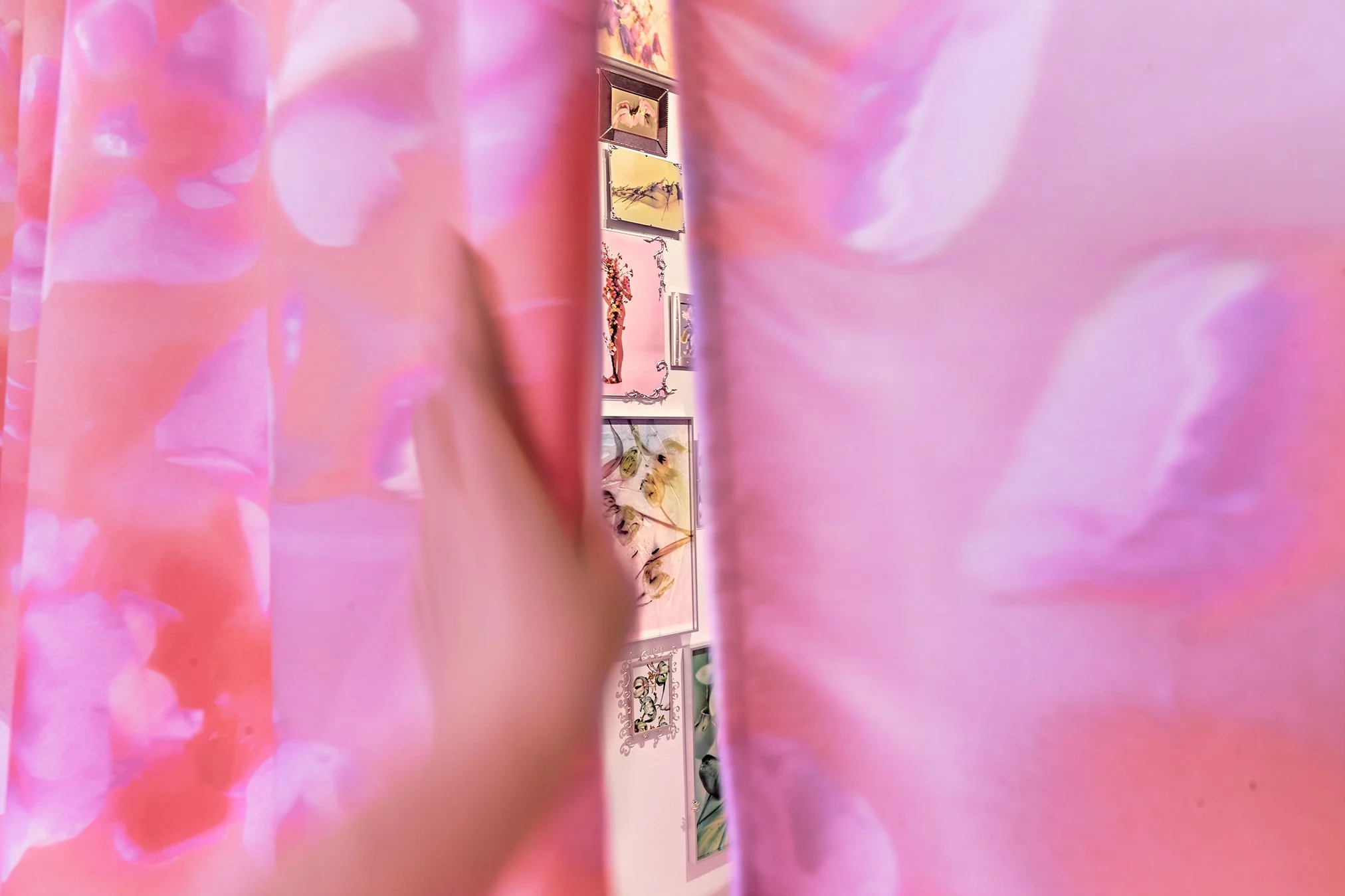
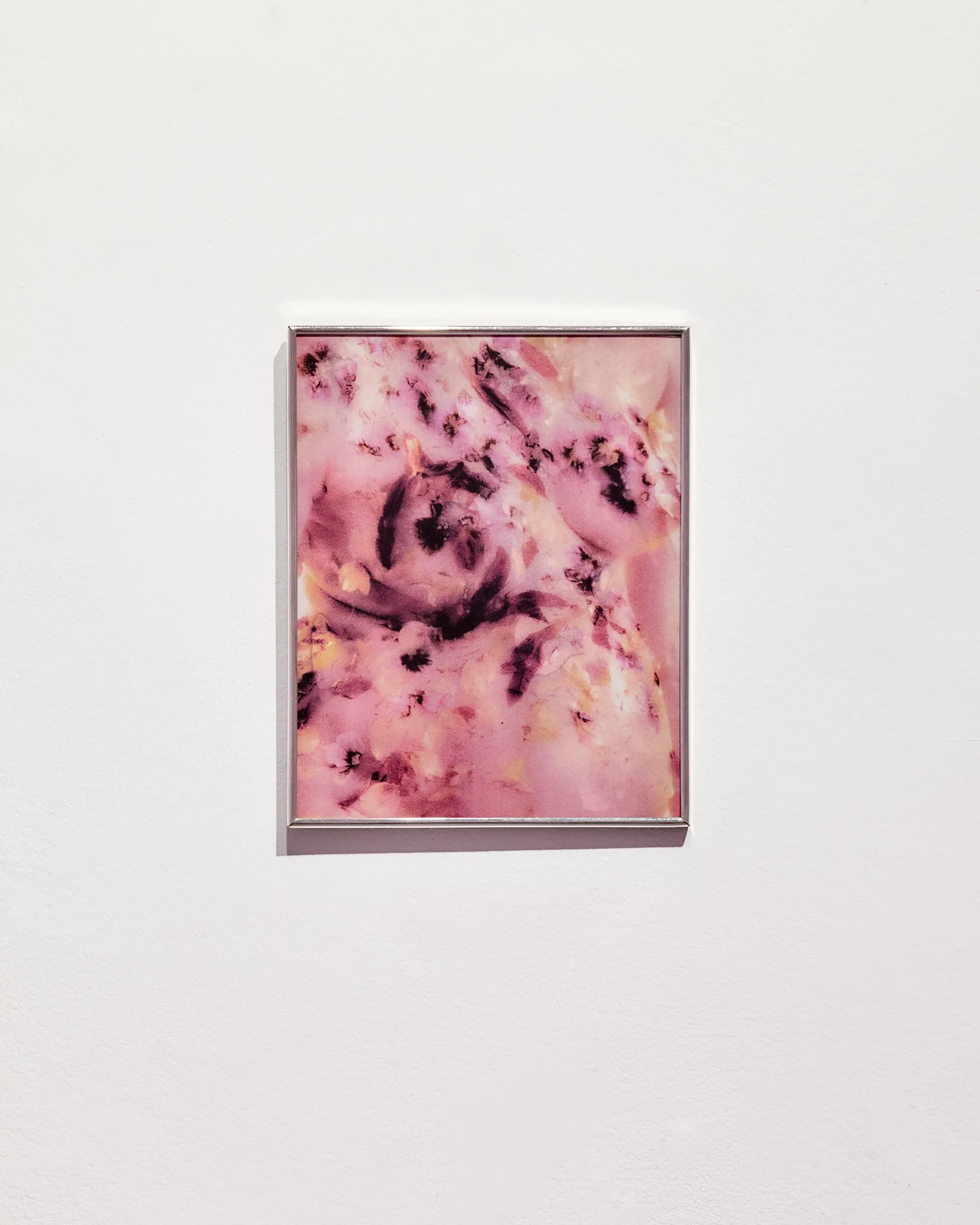
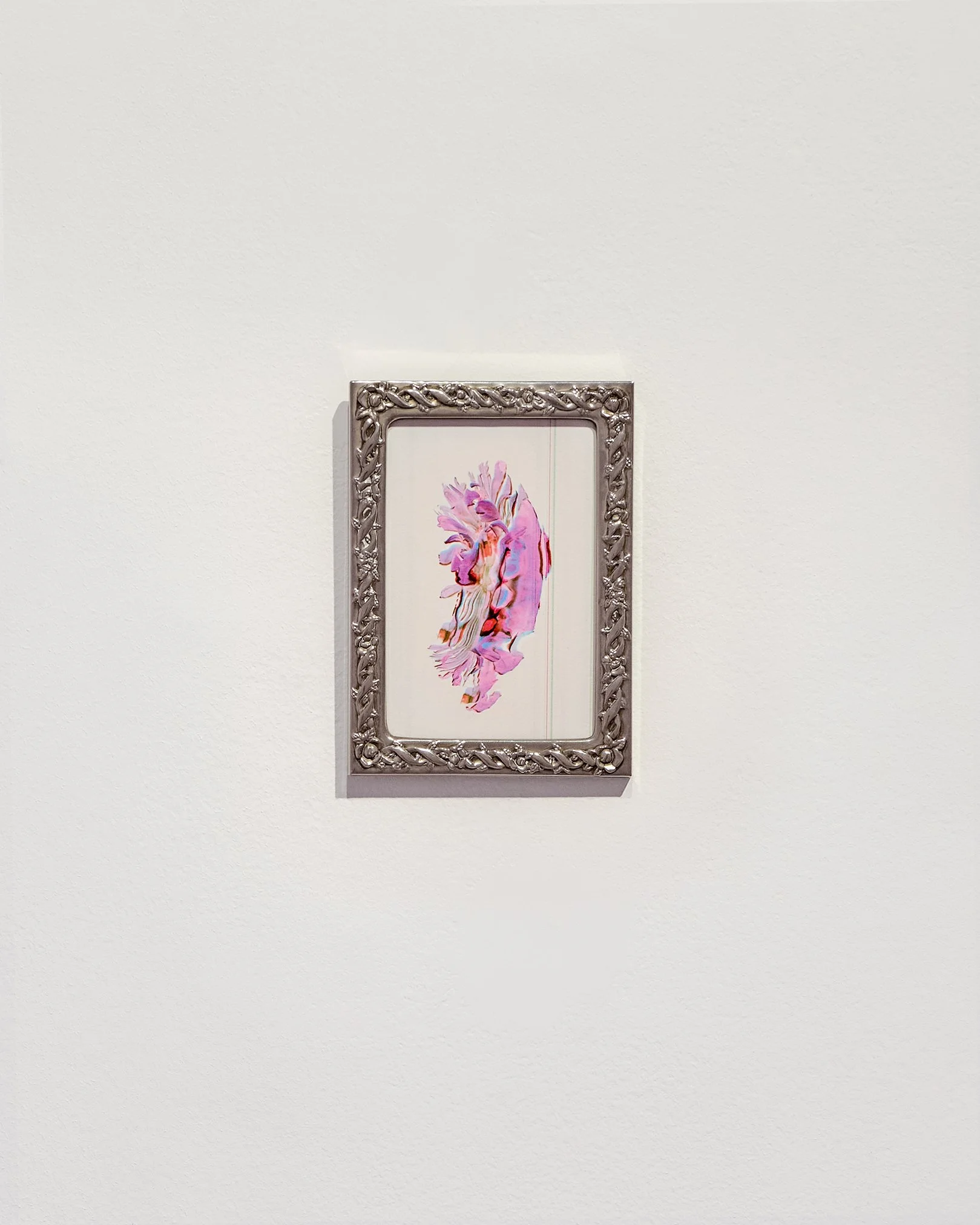
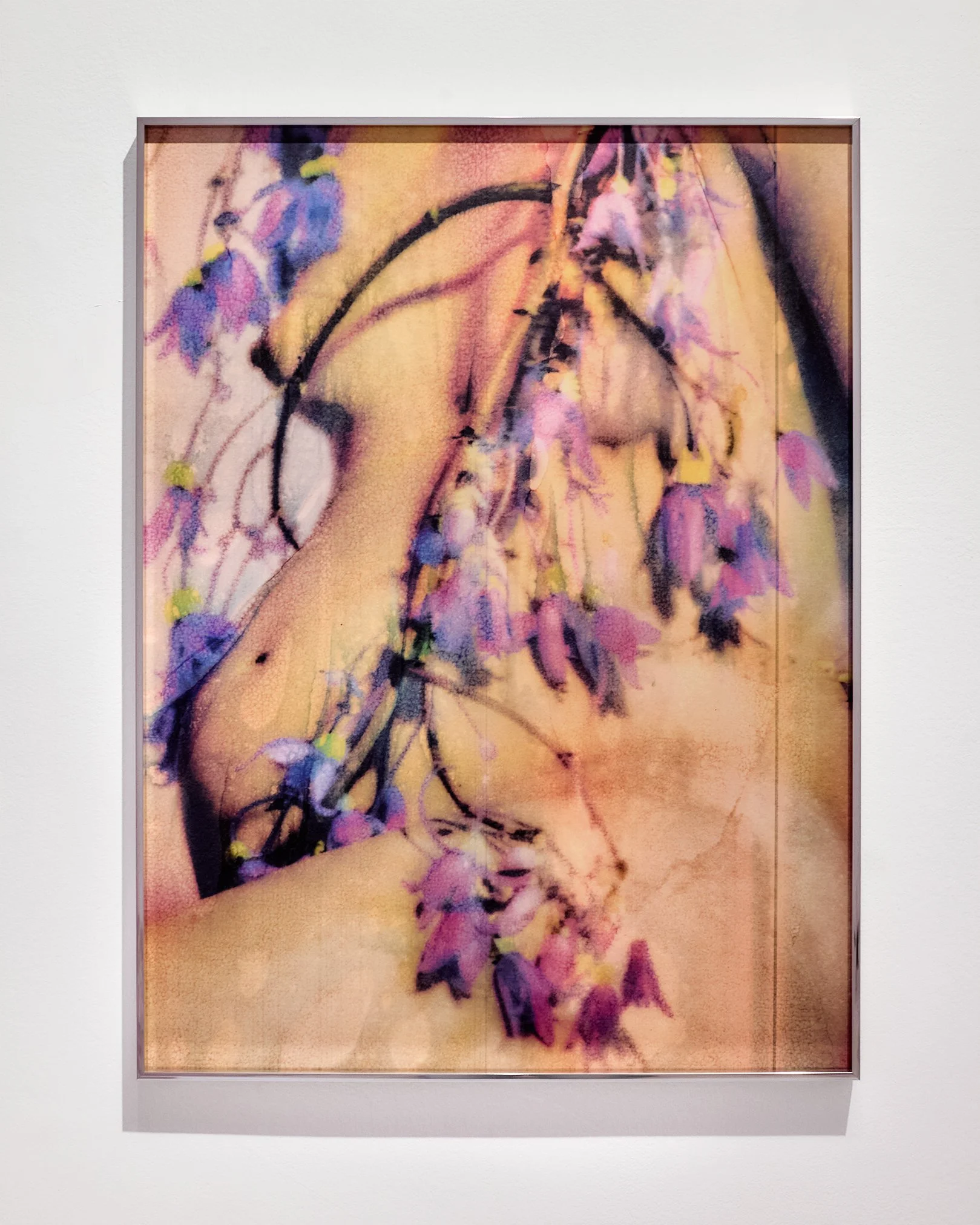
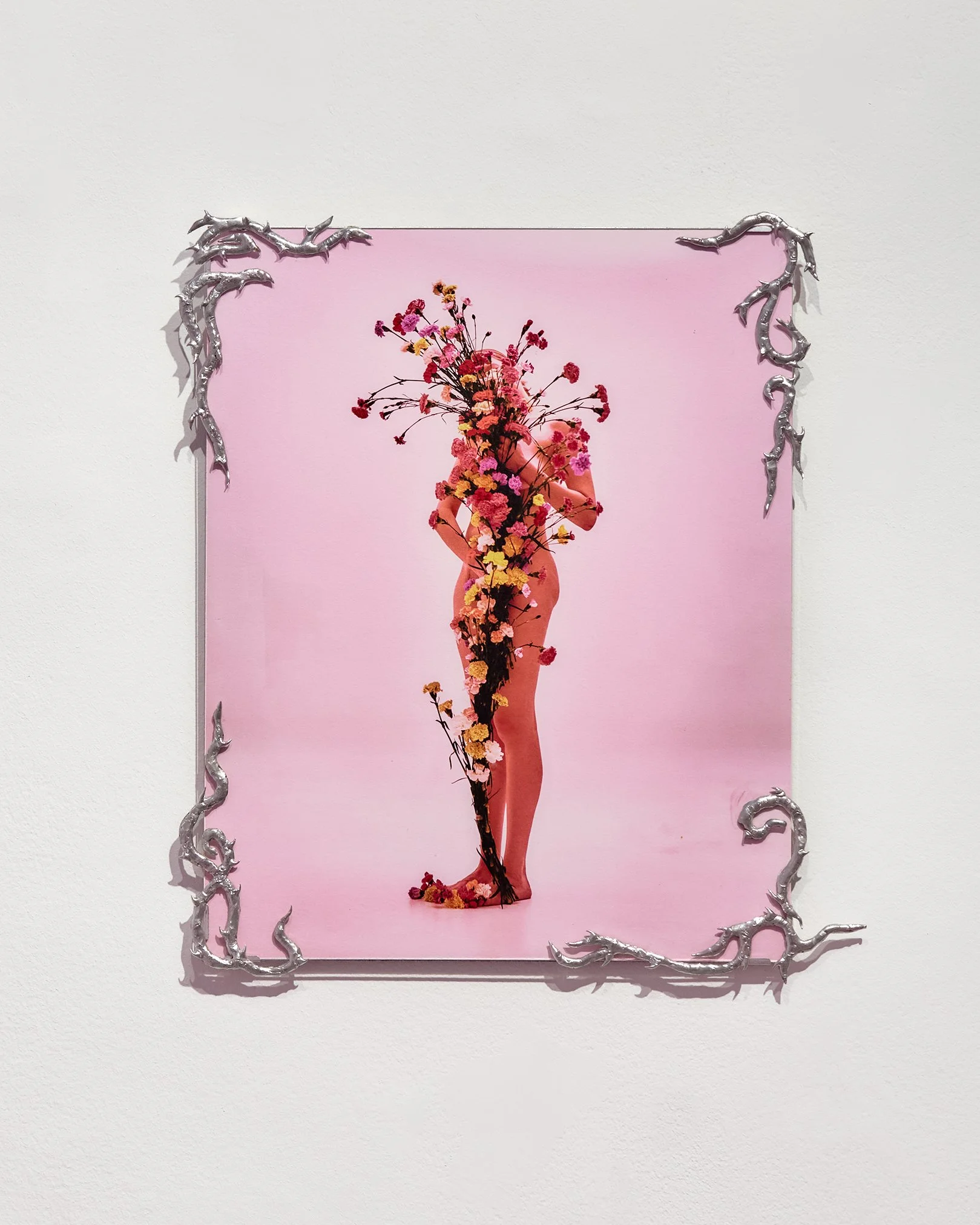
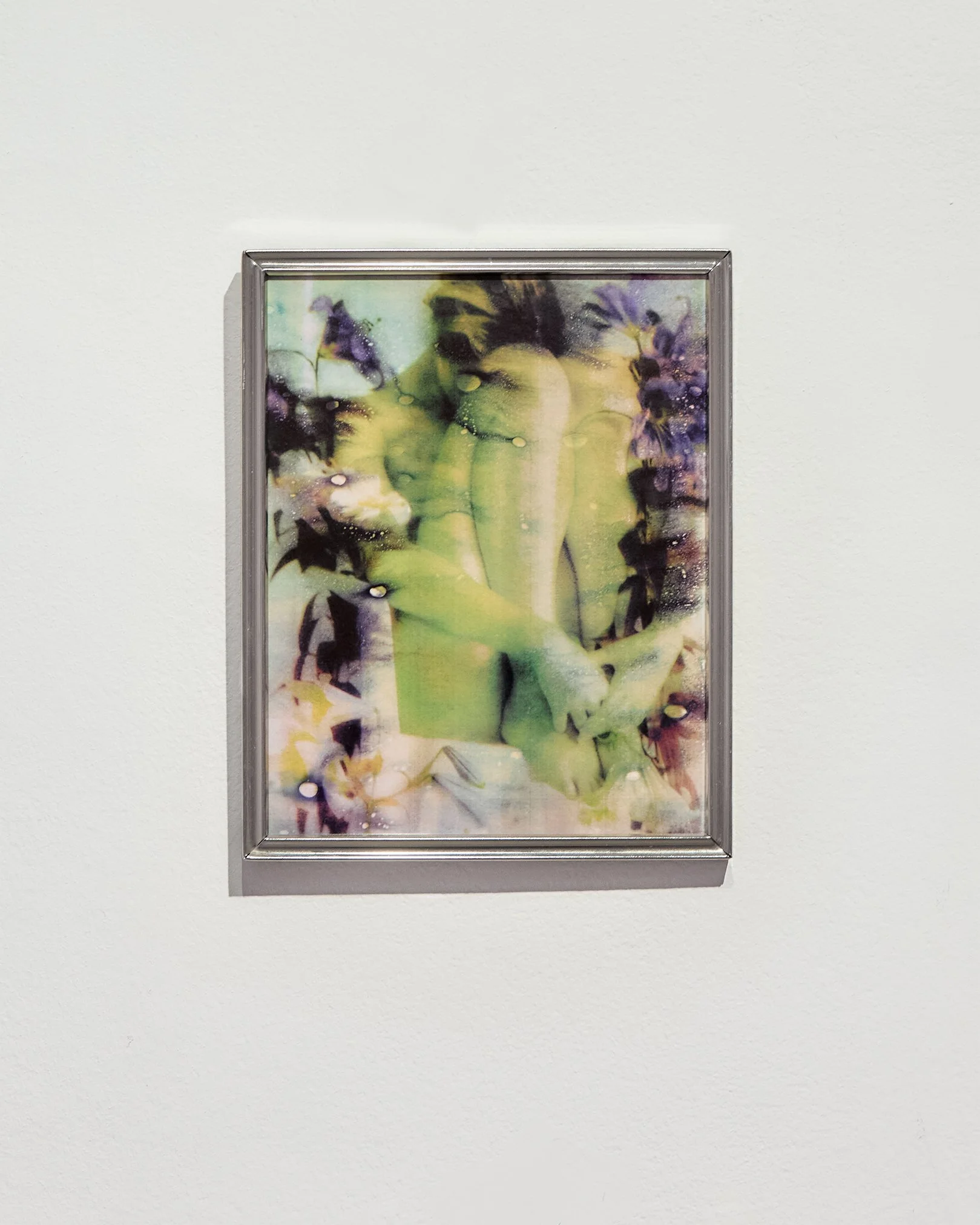
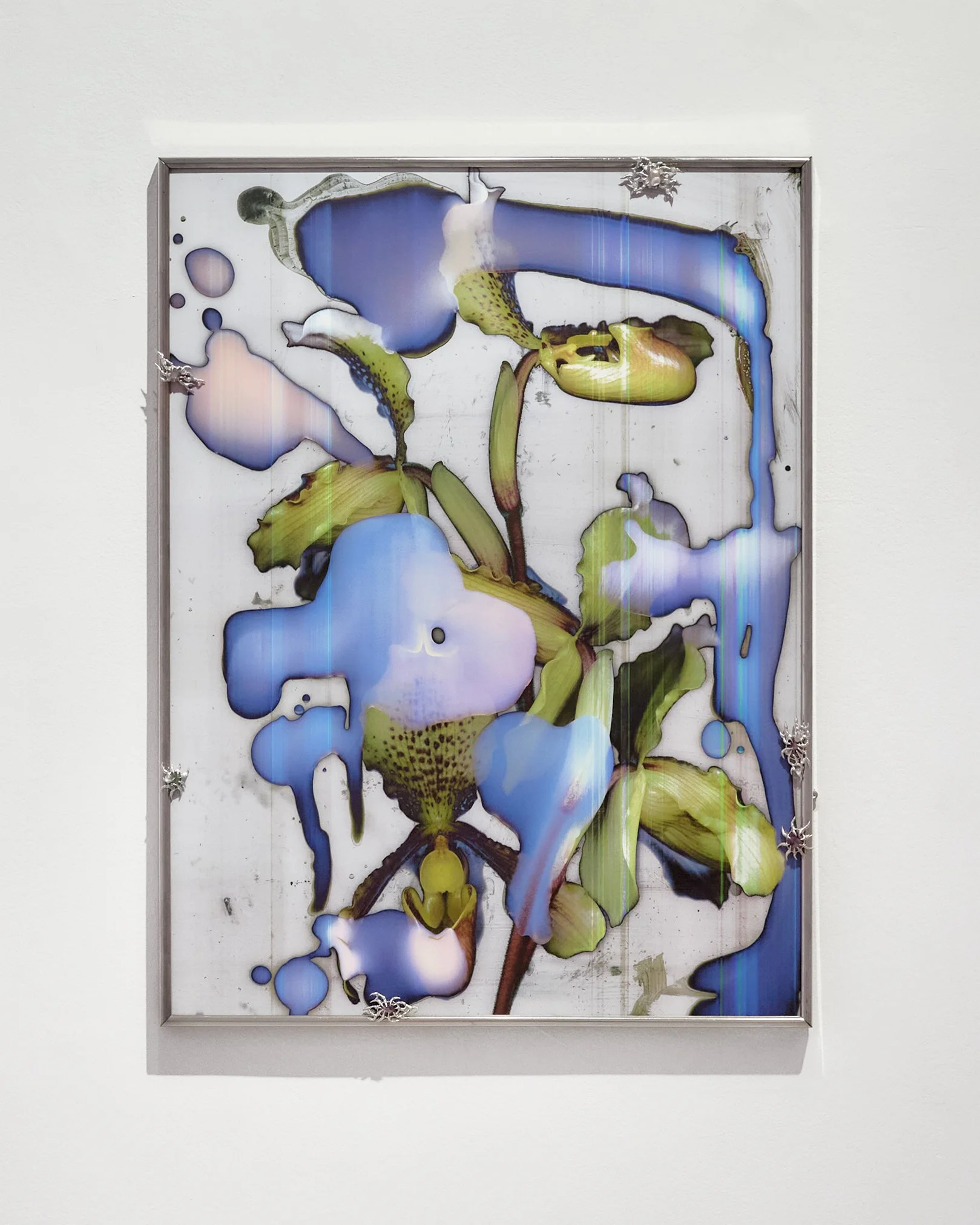
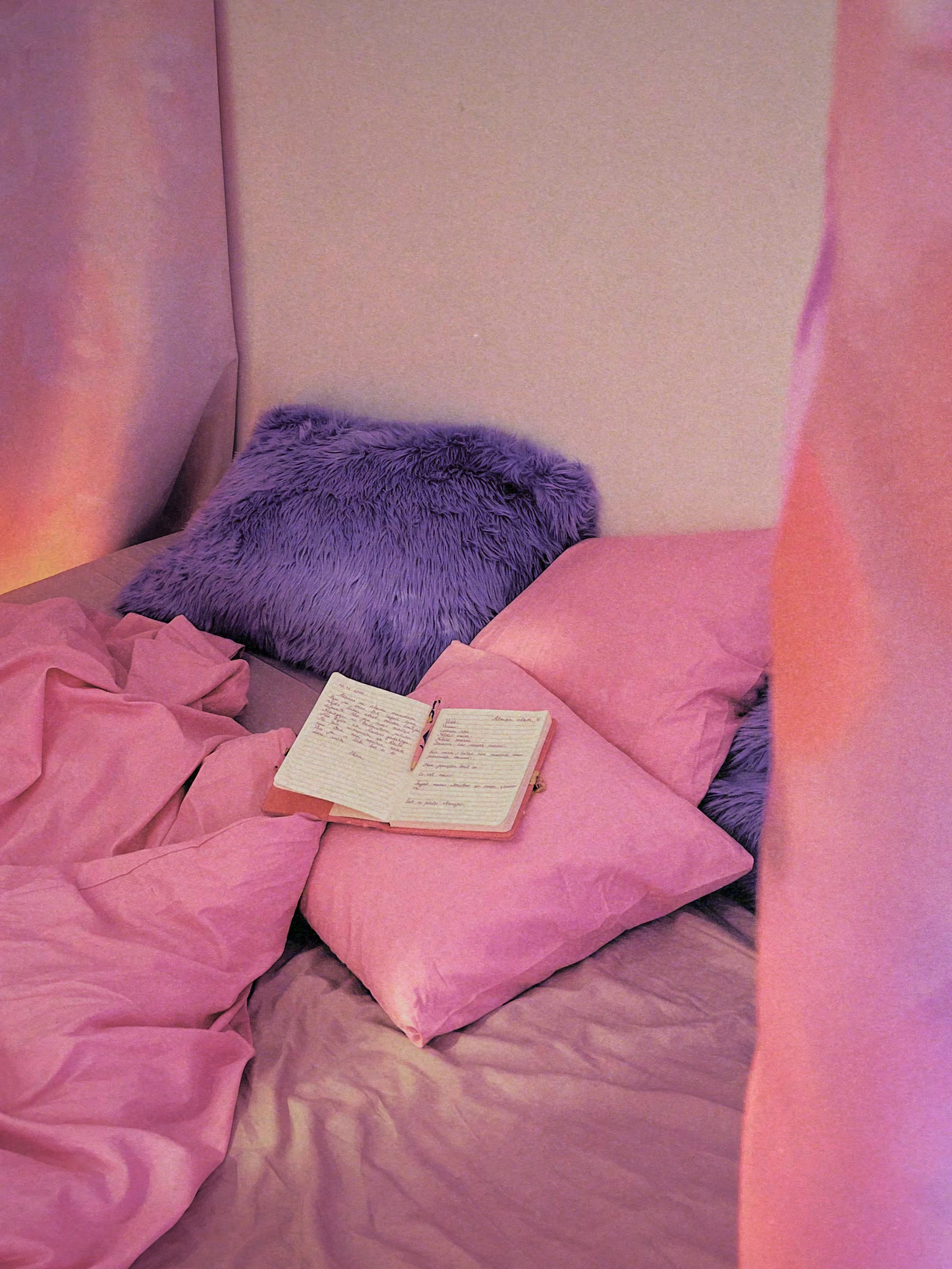
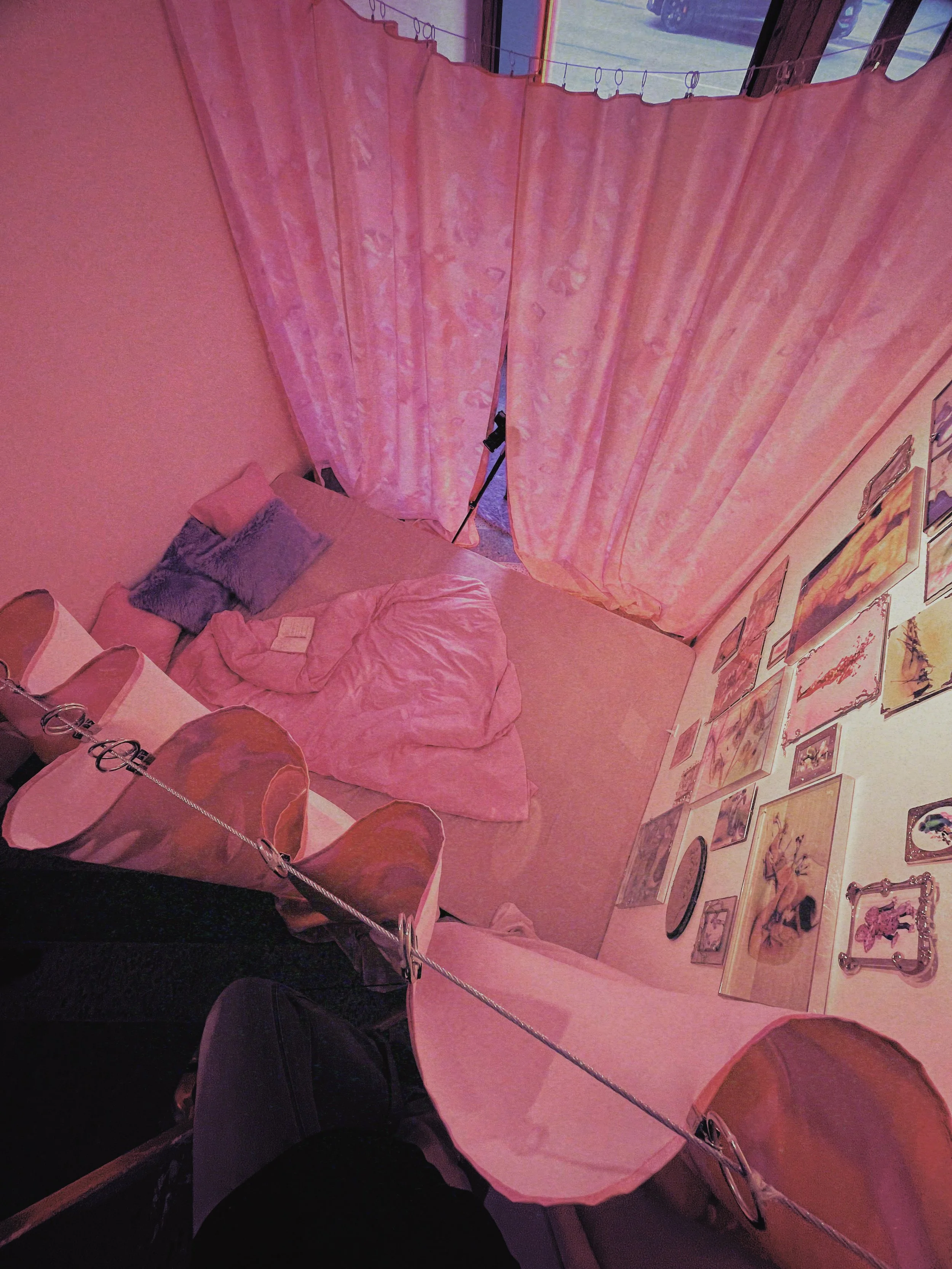
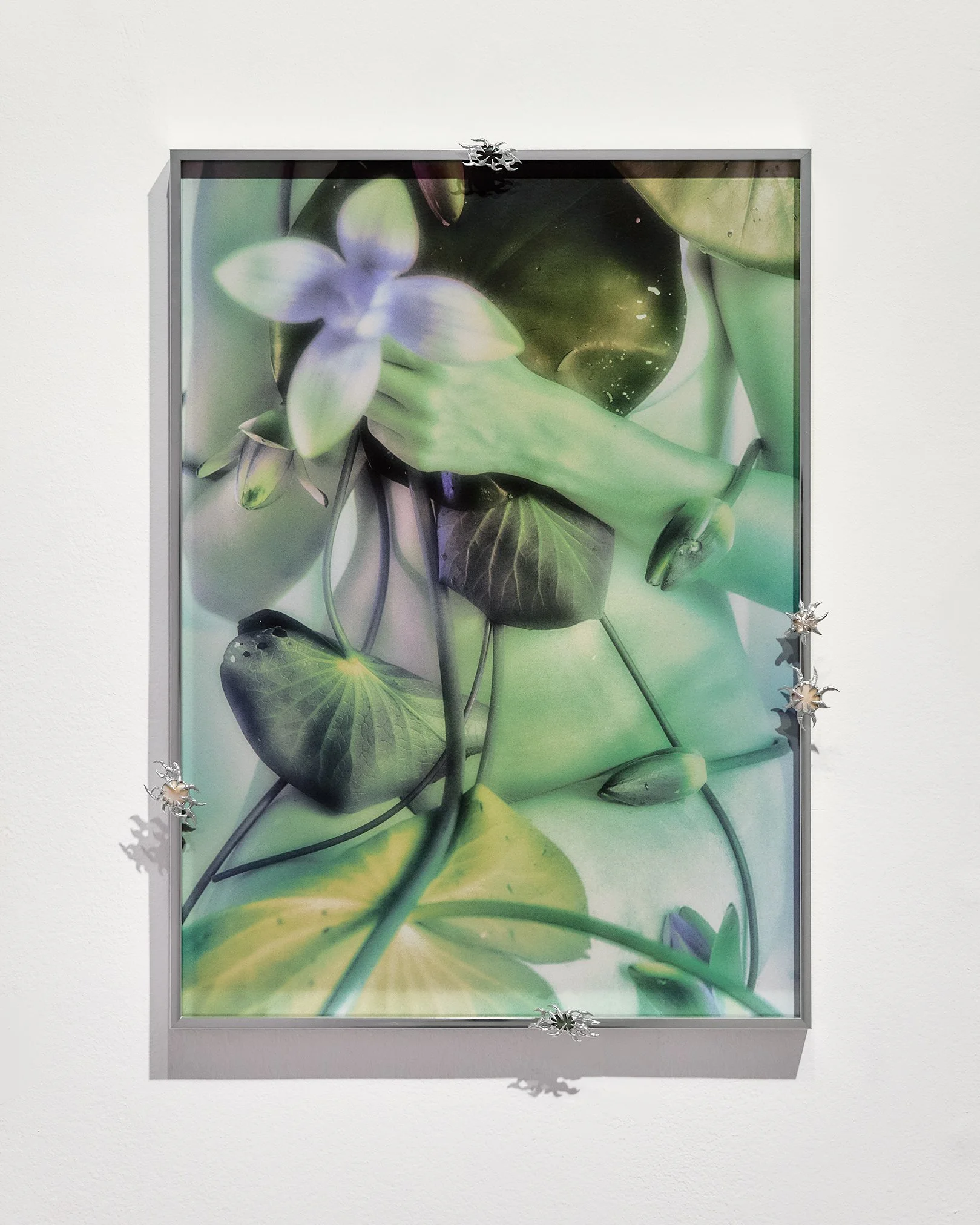
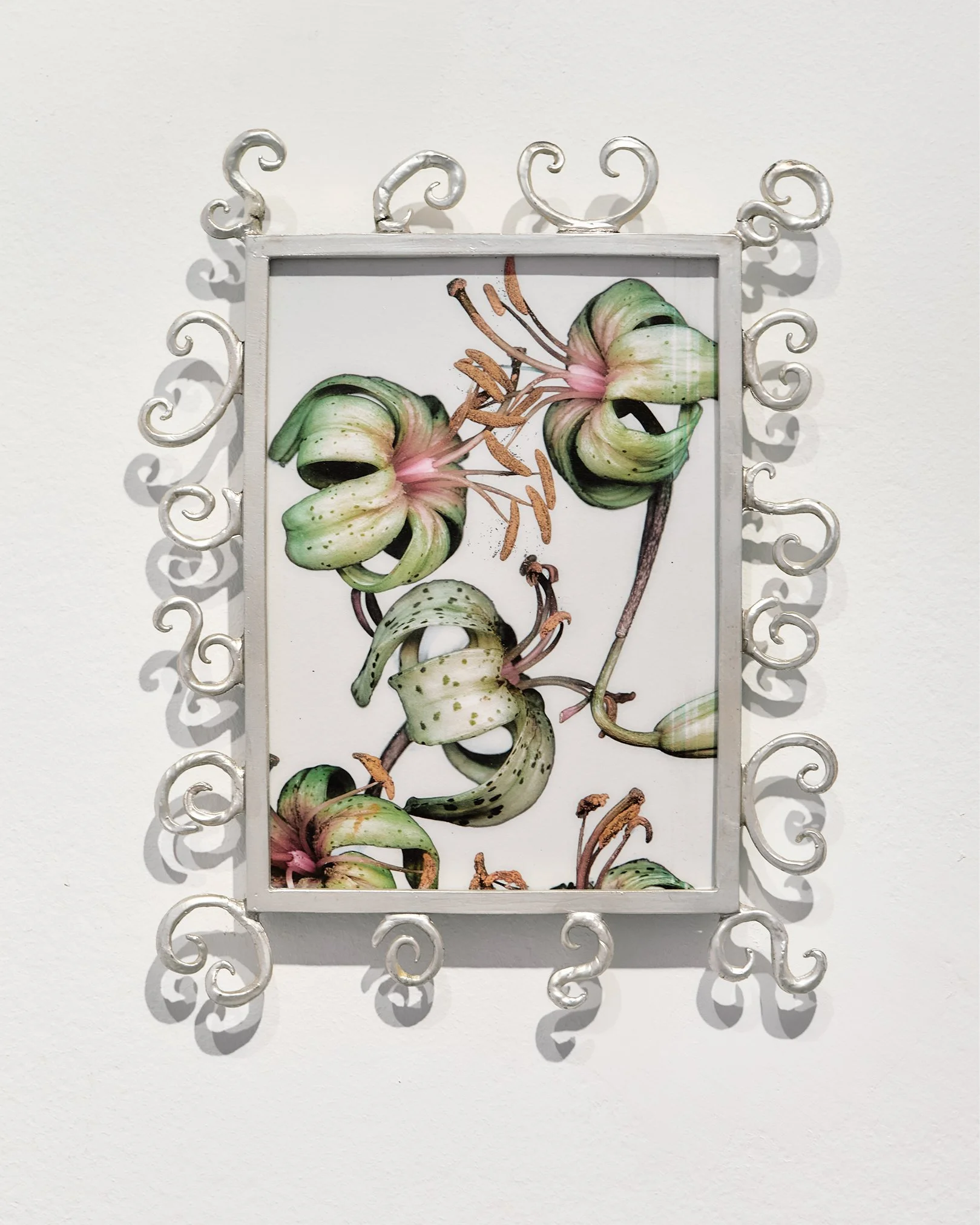
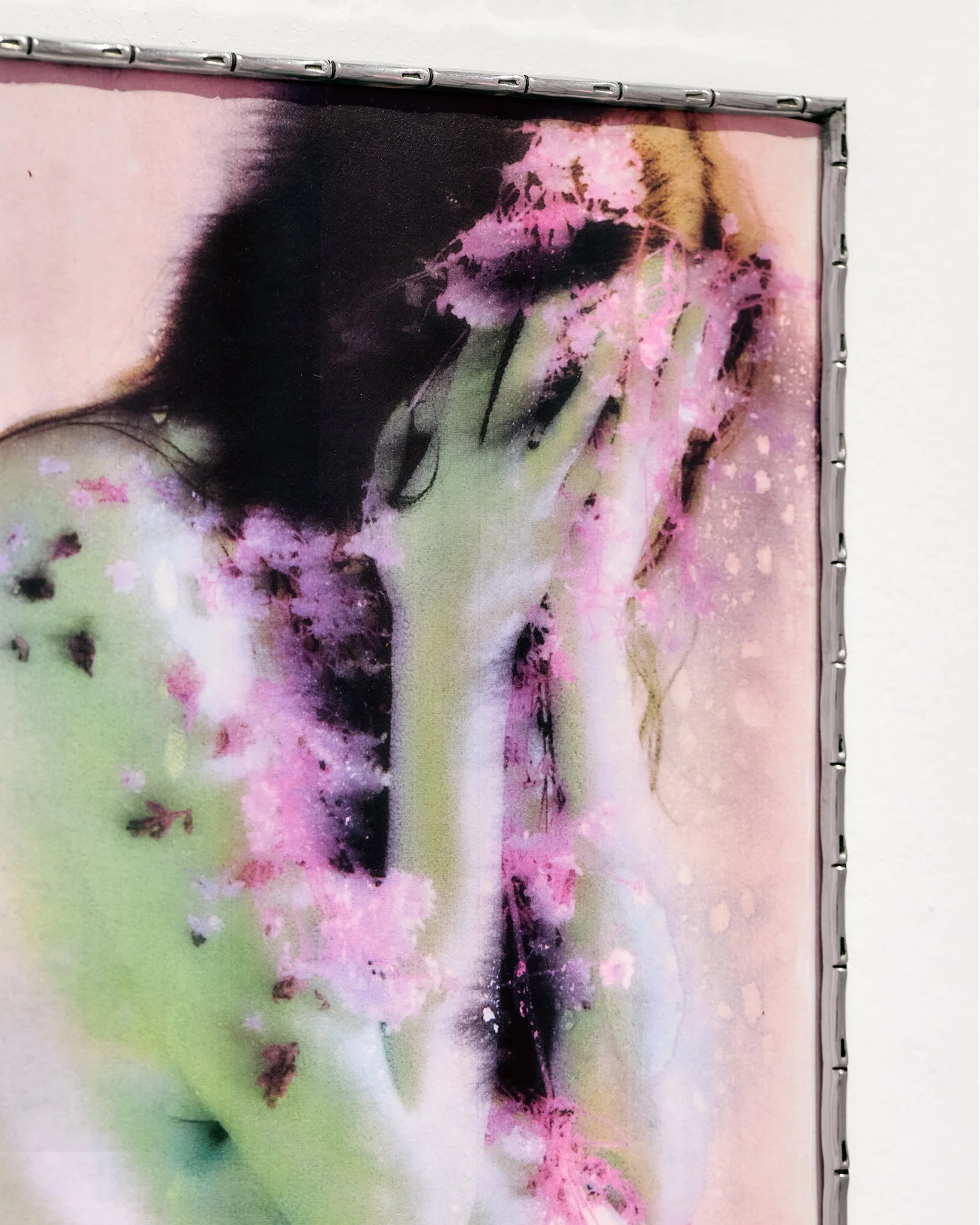
Fotogrāfes Jūlijas Sinkas jaunākā izstāde ir introspektīva telpa, kurā iespējams pabūt gultā pašam ar sevi. Tā nav seksualizēta pieredze, bet atgriešanās sākumpunktā — konstrukcijā, kur radusies apziņa par vērojumu kā realitātes pieņemšanas stratēģiju. Telpas koncepcijā Monta Briede apspēlē augu skanētos portretus un sieviešu ķermeņu fragmentu pietuvinājumus meklējot atbildi laikā un sniedzot nostalģisku pieredzi, vienlaikus mēģinot kartēt Jūlijas attiecības ar fotogrāfijas mediju un nezūdošo ziedu un ķermeņu klātbūtni viņas praksē.
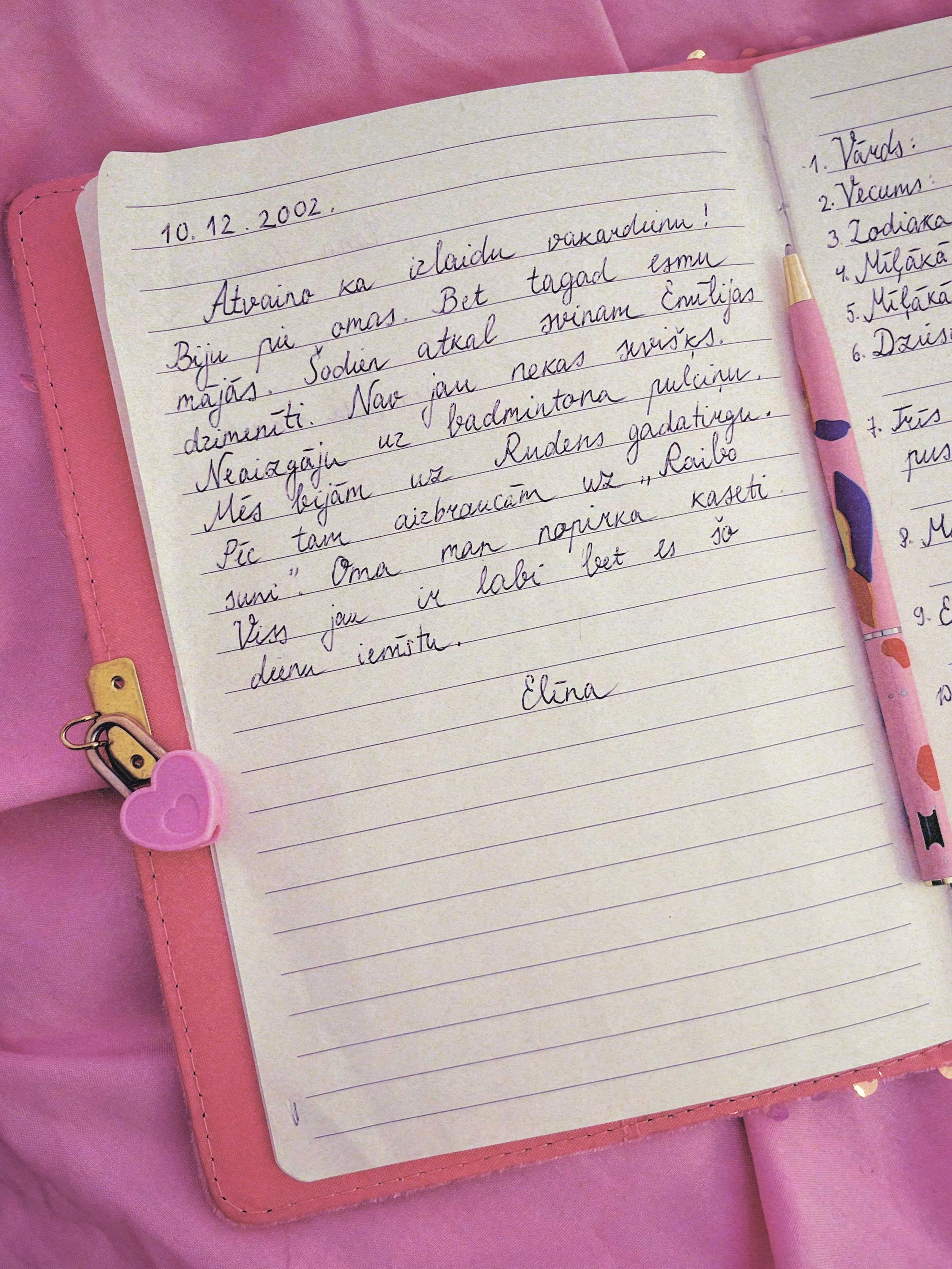
Bērnībā sava istaba ir vieta, kas simbolizē drošību. Tā ir patvērums un iespēja izzināt un formēt savu iekšējo pasauli. Aiz katras pūkainās, reizēm naivās pusaudzības fasādes atbalsojas arī jauna cilvēka sāpīgās pieredzes un protests — neizbēgamas pašnoteikšanās un sevis definēšanas blaknes. Ar rozā spīguļiem klātu pildspalvu es pārrakstīju Nirvana dziesmu tekstus, kas ļāva justies sadzirdētai. Pīrsingi, krāsoti mati, skaļa mūzika un pirmo reizi salauzta sirds.
Līdz ar pieaugšanu ķermenis kļūst par teritoriju, ko apdzīvo kompleksi, salīdzinājumi un kauns. Tas ir intensīvs, nepārliecinātības pilns un trausls periods, kas lielā mērā nosaka priekšstatus par sevi arī briedumā. Telpiskais un sensorais ietvars izstādē paplašina fotogrāfijās studēto nebeidzamo dialogu ar savu fizisko veidolu. Mākslas vēsturnieks Džons Bērdžers (John Berger “Ways of Seeing”, 1972) rakstījis, ka sieviete “iemācās” sevi redzēt tā, it kā viņa jau tiktu skatīta — viņa kļūst gan par skatīto, gan par savu skatītāju. Šī dubultā apziņa — būt un vienlaikus redzēt sevi no malas — strukturē nedrošību; sieviete ar to nepiedzimst, viņa tajā pakāpeniski tiek ievadīta, allaž eksistējot šajās divās versijās.
Jūlija Sinka šo pieredzi atsedz darbu sērijā, aicinot domāt par to caur intimitāti starp fotogrāfu un cilvēku kameras priekšā. Par kailumu, kura mērķis ir atbrīvot, nevis seksualizēt. Fotogrāfija šeit saglabā savu procesiālo dabu un ļauj izsekot skatiena attiecību analīzei.
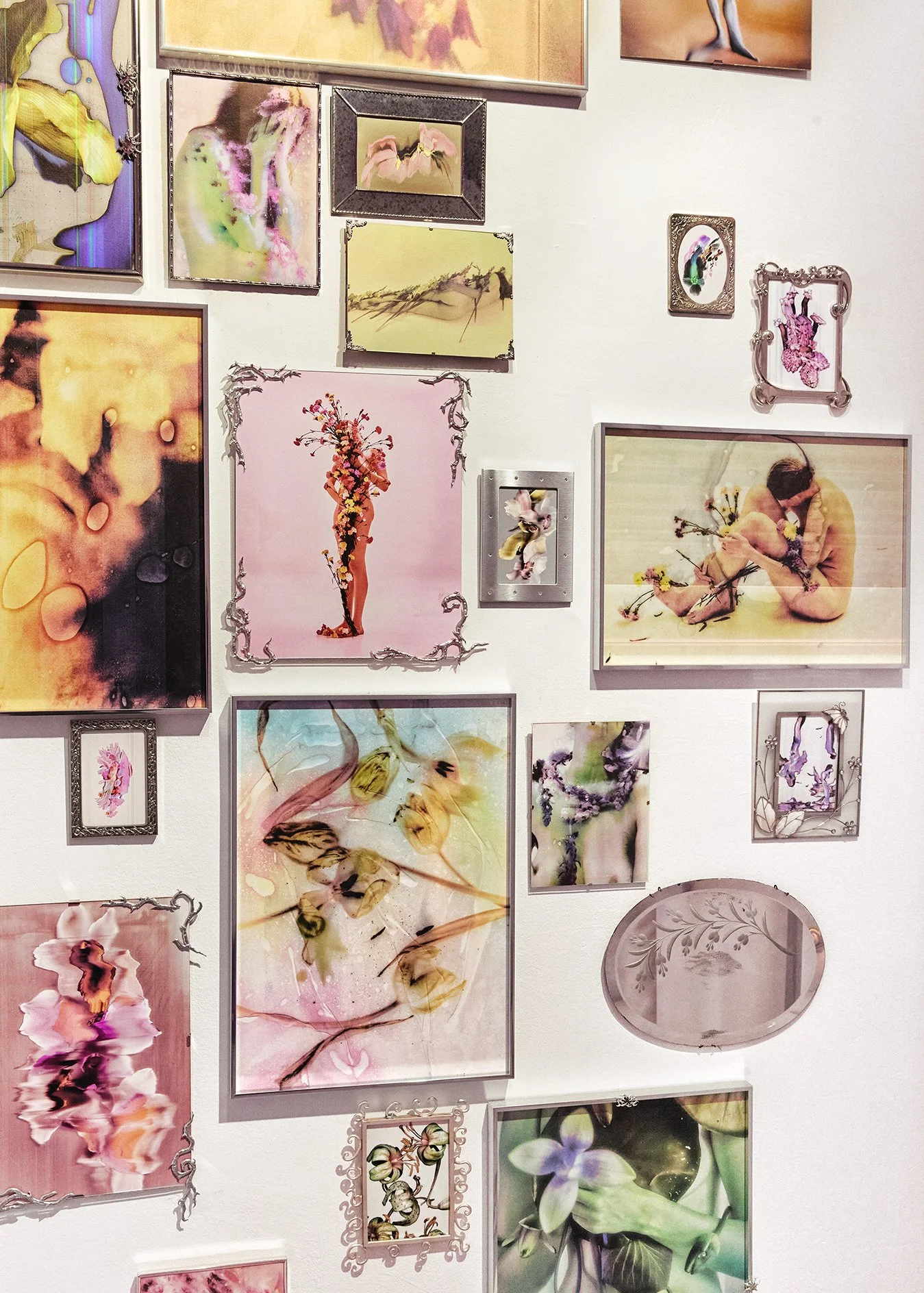
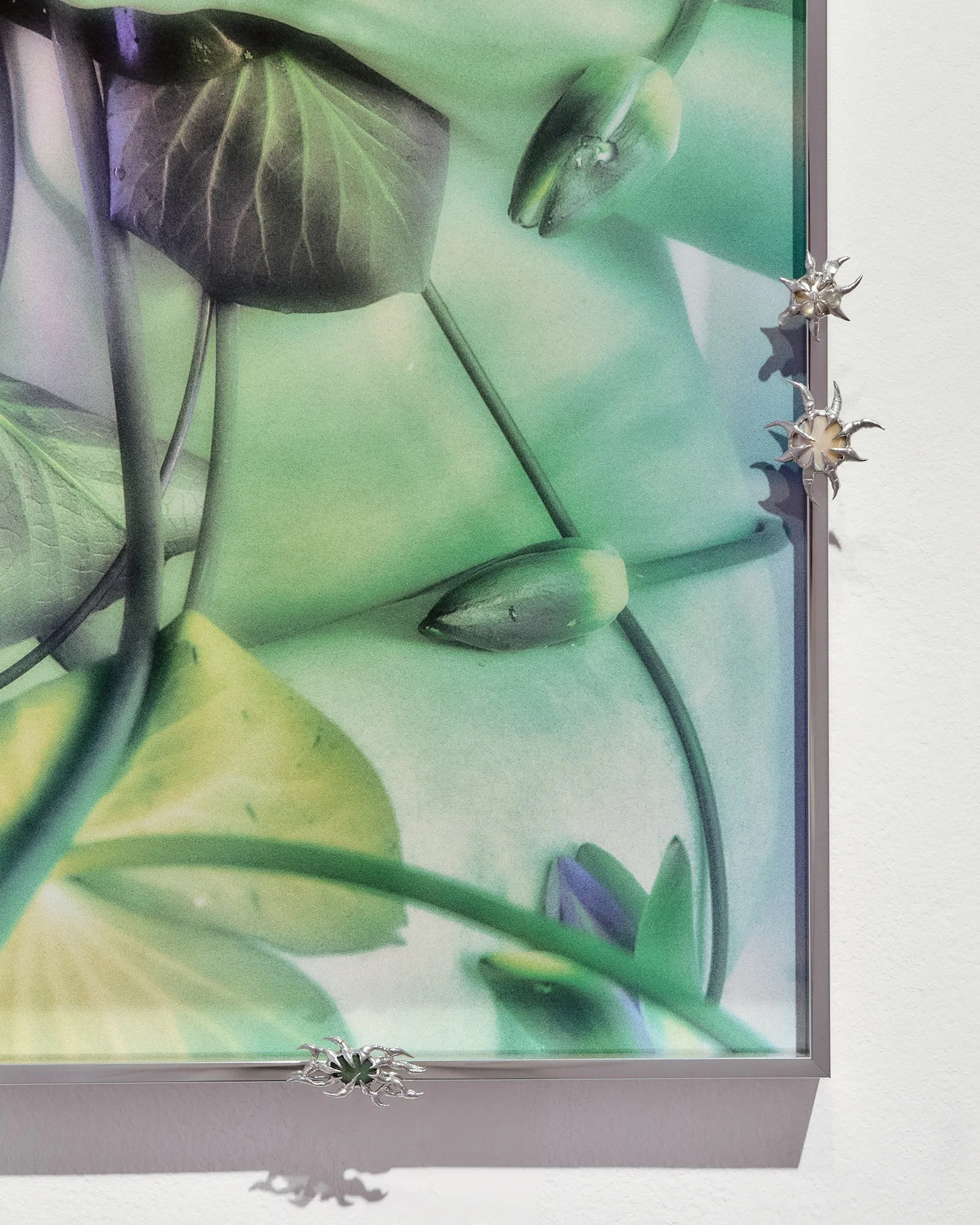
Modeļu ķermeņi netiek inscenēti kā objekti, bet kā formas, kurās iespējams iemājot un justies droši. Sievietes un ziedi saplūst vienotā morfoloģijā: miesas izliekumi atkārto ziedlapu struktūras, ekstremitātes vijas līdzīgi augu kātiem un tupinās lodētajos rāmju motīvos. Zieds šeit nav dekoratīvs ornaments, bet ķermeņa metafora — atsaucoties uz modernisma tradīciju, kur dabas forma kļūst par jutekliskas un suverēnas klātbūtnes apliecinājumu.
Izstādes koncepts: Jūlija Sinka @_juliasinka, Monta Briede @sane__space
Izstādes iekārtojums: Monta Briede
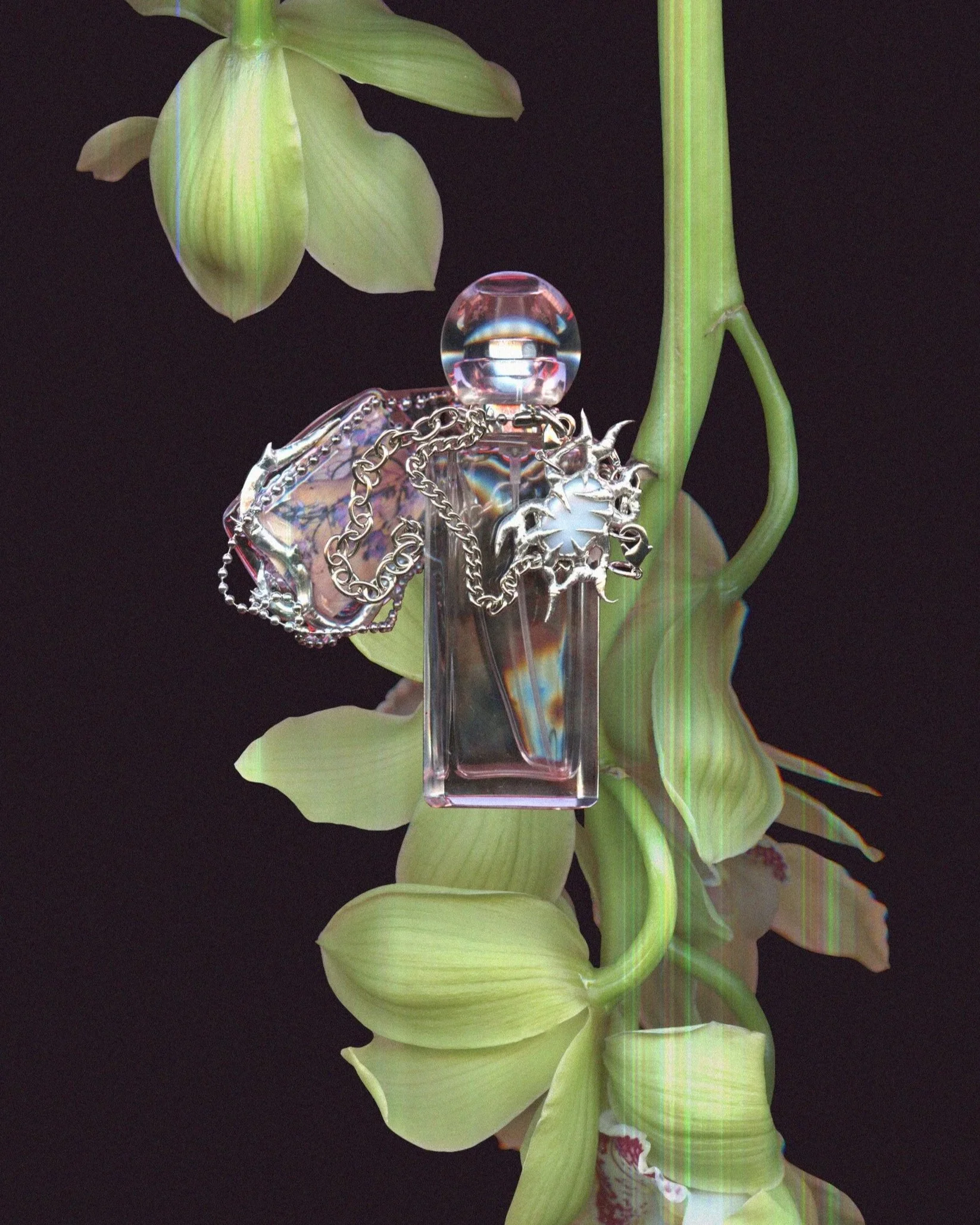
Smaržu māksliniece: Alīna Grinpauka @grinpauka
Rāmju rotājumi: Samanta Purava @luvedblue
Teksts: Elīna Sproģe @erinasproge
ENG/
Velvetteskin
LOOK! Gallery
March 5 – 28, 2026
Photographer’s Jūlija Sinka’s latest exhibition unfolds as an introspective space — a place to lie in bed alone with oneself. It is not a sexualized experience, but a return to the point of origin: to the structure in which observation first emerged as a strategy for inhabiting reality. Within the spatial concept developed by Monta Briede, scanned botanical portraits and close-ups of fragmented female bodies are recontextualized through a search in time, producing a carefully constructed nostalgia. The environment attempts to map Jūlija’s relationship to the photographic medium and to the persistent presence of flowers and bodies within her practice.
In childhood, one’s own room symbolizes safety. It is both refuge and laboratory — a place to explore and shape an inner world. Behind the soft, occasionally naïve façade of adolescence are painful experiences and acts of protest — inevitable companions of self-determination. With a pink glitter pen, I once rewrote Nirvana lyrics, clinging to the lines that made me feel visible. Piercings, dyed hair, loud music, and the first broken heart.
In the teenage years, the body becomes a territory inhabited by self-doubt, comparisons, and shame. It is an intense, fragile period marked by uncertainty, one that profoundly shapes how we perceive ourselves in adulthood. The spatial and sensory framework of the exhibition expands the ongoing dialogue with the physical self that is studied within the photographs.
Art historian John Berger, in Ways of Seeing (1972), wrote that a woman “learns” to see herself as though she were already being looked at — she becomes both the surveyed and the surveyor. This double consciousness — to be and simultaneously to see oneself from the outside — structures insecurity. A woman is not born with this gaze; she is gradually introduced into it, existing continually in these two versions of herself.
Jūlija Sinka exposes this condition through a series of works that invite reflection on the intimacy between photographer and the person in front of the camera. The nude here aims to liberate rather than to sexualize. Photography retains its processual nature, allowing the viewer to trace an analysis of the gaze itself.
The bodies of the models are not staged as objects but as forms that can be inhabited and felt as safe. Women and flowers merge into a shared morphology: curves of flesh echo the structure of petals, limbs coil like plant stems and continue into the soldered motifs of the frames. The flower is not a decorative ornament but a metaphor for the body — recalling a modernist tradition in which natural form affirms sensual yet sovereign presence.
Exhibition Concept: Jūlija Sinka @_juliasinka, Monta Briede @sane__space
Set Design: Monta Briede
Scent Artist: Alīna Grinpauka @grinpauka
Frame Ornamentation: Samanta Purava @luvedblue
Text: Elīna Sproģe @erinasproge